RSS

Condo vs House in Regina: Which Property Type Is Best for You?

Choosing between a condo and a detached house is a critical decision for anyone considering buying property in Regina. Each property type comes with its own set of benefits, costs, and lifestyle implications. Understanding the differences between condos and houses, along with how they align with your goals, financial situation, and long-term plans, is essential for making an informed decision. Working with a trusted remax Regina agent can provide expert guidance and help you navigate the options available in the local market.

Understanding the Difference Between Condos and Houses

What Is a Condo?

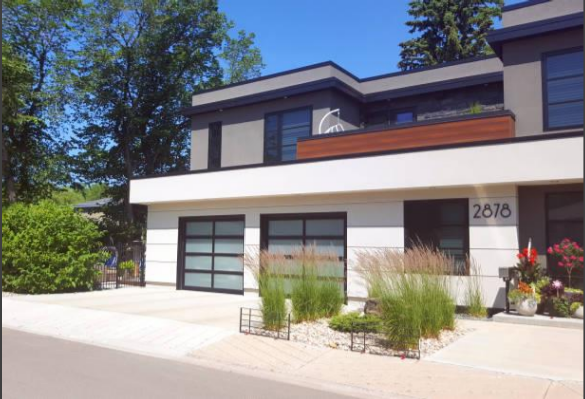
A condominium, or condo, is a residential unit within a larger building or complex where homeowners share ownership of common areas such as hallways, gyms, and landscaping. Condos typically include amenities like security, maintenance, or recreational facilities that are collectively managed by a condominium corporation. Owners pay monthly condo fees to cover these shared services and upkeep. Condos are generally smaller in size compared to detached houses, which can make them more affordable for first-time buyers or those seeking lower maintenance living.

What Is a Detached House?

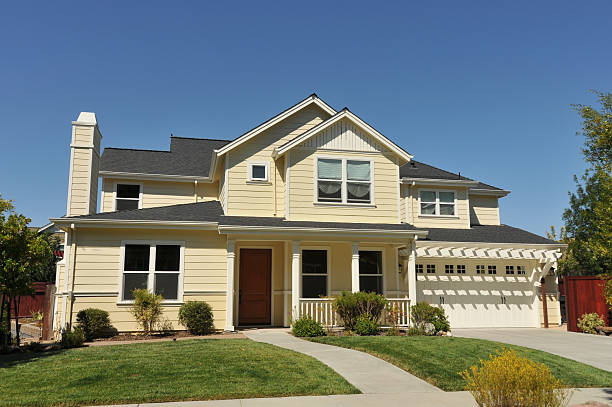
A detached house is a standalone property with its own land, giving homeowners complete control over the exterior and interior of the home. Detached houses often provide more living space, yard space, and privacy compared to condos. Homeowners are responsible for all maintenance, repairs, and landscaping. Detached houses offer flexibility in design, renovations, and lifestyle, which appeals to buyers looking for long-term investment and space for families.

Pros and Cons of Buying a Condo in Regina

Condos in Regina are popular among individuals seeking convenience, lower upfront costs, and minimal maintenance responsibilities. However, they come with certain limitations.

Lower Purchase Price

Condos typically have a lower purchase price compared to detached houses, making them an attractive option for first-time buyers or those with smaller budgets. The lower price point allows buyers to enter the market sooner and start building equity.

Maintenance-Free Living

Condo ownership reduces the burden of exterior and common area maintenance. Responsibilities like landscaping, snow removal, and building repairs are covered by the condo fees. This makes condos a convenient option for busy professionals or buyers seeking a more hands-off lifestyle.

Condo Fees and Restrictions

While condos provide convenience, the monthly condo fees can add significant costs over time. These fees are required regardless of whether services are fully used. Additionally, condos may have restrictions on pets, renovations, or rental policies that could limit how you use your property.

Pros and Cons of Buying a House in Regina

Detached houses offer greater autonomy, space, and long-term investment potential, but they also come with higher responsibilities.

More Privacy and Space

A detached house provides private living space, including a yard or garden, and no shared walls with neighbors. This extra space allows for more personal freedom, outdoor activities, and future expansions. Houses also offer flexibility in designing and customizing your property to suit your preferences.

No Condo Fees

Unlike condos, detached houses do not require monthly condo fees. Homeowners pay only for their own utilities, property taxes, and maintenance costs. Avoiding condo fees can save money over time and give homeowners full control of their property budget.

Higher Maintenance Responsibilities

Owning a detached house requires taking care of all maintenance and repairs, both inside and outside the home. This includes landscaping, exterior repairs, plumbing, roofing, and other costs. Buyers must be prepared to allocate time and money for ongoing upkeep.

Cost Comparison: Condo vs House in Regina

Understanding the cost differences between condos and houses is crucial when deciding which property type is best for you.

Purchase Price Differences

Condos generally have lower purchase prices than detached houses. The reduced price can make it easier for buyers to qualify for a mortgage or enter the housing market sooner. Detached houses tend to be more expensive due to larger size, land ownership, and additional amenities.

Monthly Ownership Costs

Monthly costs for condos include mortgage payments, property taxes, and condo fees. Detached houses require mortgage payments and property taxes but do not include condo fees. Monthly utility and maintenance expenses may be higher for houses depending on size and condition.

Maintenance Expenses

Condos reduce or eliminate exterior maintenance costs, whereas detached houses require homeowners to cover all repair and upkeep expenses. Over time, these costs can add significantly to a house's overall ownership expense. Buyers should plan and budget for ongoing maintenance, repairs, and upgrades.

Lifestyle Considerations When Choosing

Lifestyle preferences often dictate which property type is most suitable. Condos, detached houses, and different neighborhoods appeal to distinct buyer groups.

Ideal Property for Young Professionals

Condos are often well-suited for young professionals who value convenience, low maintenance living, and proximity to work or entertainment. Amenities like gyms, security, and communal spaces enhance the urban lifestyle.

Best Option for Families

Detached houses provide space, privacy, and outdoor areas that support family living. Larger homes with multiple bedrooms and yards allow families to grow comfortably while offering the freedom to customize their property.

Options for Downsizers and Retirees

Downsizers or retirees may prefer condos for their ease of maintenance, security, and proximity to city services. Condos allow this group to maintain independence while reducing the physical demands of home upkeep.

Investment Potential: Condos vs Houses

Real estate investment potential varies between condos and houses. Buyers should consider rental demand and property appreciation trends when making decisions.

Rental Demand in Regina

Condos are often in demand for rental properties, especially in urban centers where students and young professionals seek convenience. Detached houses also maintain strong rental appeal, particularly for families or long-term tenants. Understanding local rental markets can help guide investment strategies.

Appreciation Trends

Detached houses in Regina tend to appreciate more consistently due to land ownership and limited supply. Condos may experience slower growth, but they are often easier to purchase initially and can provide steady rental income. Market trends should be evaluated to balance investment potential with budget and risk tolerance.

Questions to Ask Before Choosing a Property Type

Before deciding on a condo or house, consider these key questions.

Long-Term Living Plans

Are you planning to stay in the property long-term or anticipate moving in a few years? Long-term plans affect whether space, customization, or maintenance considerations are most important.

Financial Flexibility

Can you afford a higher purchase price or ongoing maintenance costs? Understanding your budget helps determine which property type aligns with your financial situation.

Maintenance Preferences

Do you prefer low-maintenance living or managing a larger property with full control? Your comfort level with maintenance will influence whether a condo or detached house is a better fit.

Final Thoughts: Choosing the Right Property in Regina

Choosing between a condo and a detached house in Regina depends on your lifestyle, financial situation, and long-term plans. Condos offer affordability, convenience, and minimal maintenance, making them ideal for young professionals or retirees seeking ease of living. Detached houses provide privacy, space, and long-term investment potential, suiting families or buyers who want full control over their property. Exploring current market options, including acreage for sale Regina SK or reviewing real estate property valuation, can help buyers make informed decisions. Consulting with a local expert and taking your time to evaluate priorities ensures you select the right property for your goals. When ready, do not hesitate to contact a professional for personalized guidance.

Frequently Asked Questions

1. Which is cheaper to buy in Regina, a condo or a detached house?
Condos generally have a lower purchase price than detached houses, making them more accessible for first-time buyers or those with limited budgets.

2. Do condos have monthly fees?
Yes, condo owners pay monthly fees that cover maintenance of common areas, amenities, and services. These fees are required in addition to mortgage and property taxes.

3. Are houses better for families than condos?
Detached houses often provide more space, privacy, and yards, which makes them more suitable for families compared to condos.

4. Which property type has better investment potential?
Detached houses tend to appreciate more consistently due to land ownership, while condos can provide rental income but may have slower long-term growth.

5. Can I switch from a condo to a house later?
Yes, buyers can start with a condo and transition to a detached house when finances, lifestyle, or family needs change. Planning ahead and consulting with a remax Regina professional can help guide this transition.

Read

Best Neighborhoods in Regina for Families, Professionals & Investors

Choosing the right neighborhood is one of the most important decisions when buying a home in Regina. Each area offers different benefits depending on your lifestyle, budget, and long-term goals. Whether you are a growing family, a young professional starting your career, or a real estate investor looking for opportunity, Regina has neighborhoods that cater to your unique needs. Working with a trusted realtor in Regina can help you find the ideal community and property that fits your goals.

What Makes a Neighborhood Great in Regina?

When evaluating neighborhoods in Regina, several key factors contribute to the overall quality of life and investment potential. These include safety, access to schools and amenities, and property value growth.

Safety and Community

Safety is a fundamental consideration for all homebuyers, especially families. A neighborhood with low crime rates and active community engagement tends to offer a more peaceful and enjoyable living environment. Strong community networks often lead to events, local groups, and a sense of belonging that enhances daily life.

Access to Schools and Amenities

For families and professionals alike, proximity to quality schools, parks, healthcare facilities, shopping, and recreational options plays a major role in neighborhood desirability. Easy access to amenities reduces commute times and increases convenience, which is especially valuable for busy households.

Property Value Growth

Neighborhoods that demonstrate steady or strong property value appreciation provide an advantage for homeowners and investors. Areas undergoing development or revitalization often offer opportunities for significant equity growth. A community with planned infrastructure improvements or commercial expansion tends to attract future demand.

Best Regina Neighborhoods for Families

Families often prioritize neighborhoods with safe streets, good schools, and plenty of green spaces for children to play and grow. Regina offers several family-friendly communities known for their welcoming atmosphere and amenities.

Harbour Landing

Harbour Landing is a popular choice for families due to its newer homes, well-maintained parks, and family-oriented facilities. The area includes access to schools and community centers that support active lifestyles. Its layout and design emphasize safety with quiet streets and ample sidewalks.

The Greens on Gardiner

The Greens on Gardiner appeals to families seeking a suburban feel with convenient access to amenities. This neighborhood offers well-planned green spaces and a mix of single-family homes and townhouses. Community programs and proximity to schools add to its family-friendly appeal.

Walsh Acres

Walsh Acres provides affordable housing options while maintaining a strong sense of community. Its central location offers access to schools, shopping, and transit routes. Families appreciate the mix of older and newer homes and the community events that bring neighbors together.

Best Areas for Young Professionals

Young professionals typically look for neighborhoods that combine convenience, social opportunities, and affordable housing options. Proximity to work and entertainment, as well as walkability, tend to be important factors.

Cathedral

The Cathedral neighborhood offers a vibrant urban lifestyle with historic homes and trendy cafes. Its walkable streets and access to downtown jobs make it a favorite for professionals who want to live close to the action while enjoying a strong community feel.

Downtown Regina

Downtown Regina attracts professionals who prefer condos, apartments, and loft-style living. The area offers a mix of cultural venues, restaurants, and business centers, making it convenient for work and social activities. Urban living with easy access to events and nightlife appeals to many young buyers.

Lakeview

Lakeview is a mature neighborhood known for its charming homes and quiet streets. It provides a balance between suburban comfort and city access. Professionals appreciate its accessibility to major roadways and local amenities, making daily commutes manageable.

Best Regina Neighborhoods for Real Estate Investors

Investors look for neighborhoods with rental demand, affordability, and potential for property value appreciation. Regina has areas that fit these criteria and offer opportunities for steady returns.

North Central

North Central is an area often considered by investors due to its affordability and demand for rental housing. The neighborhood has a mix of older homes and properties suitable for renovation or redevelopment, offering potential for value creation.

General Hospital Area

The General Hospital vicinity benefits from proximity to healthcare facilities and employment hubs, creating consistent rental demand. Properties here appeal to medical professionals, students, and staff seeking convenient housing near work.

Transitional Neighborhoods With Growth Potential

Some neighborhoods are in transition, undergoing revitalization with new developments and community initiatives. These areas may offer attractive purchase prices and the possibility of significant appreciation over time.

Affordable Neighborhoods for First-Time Buyers

First-time homebuyers often seek neighborhoods that offer affordability without sacrificing access to essentials.

Glencairn

Glencairn offers reasonably priced homes with access to schools and parks. The neighborhood is attractive for buyers looking to enter the market without stretching their budget excessively.

Uplands

Uplands is known for its affordable housing options and family-friendly environment. The area includes schools and recreational facilities that support an active lifestyle.

Argyle Park

Argyle Park provides a variety of housing styles at competitive prices. Its location offers good transit access and community amenities, making it an appealing choice for buyers seeking value.

Luxury Neighborhoods in Regina

For those seeking upscale living, Regina has several neighborhoods that offer larger homes, premium amenities, and prestigious addresses.

Wascana View

Wascana View is known for its spacious properties, scenic views, and proximity to Wascana Park. The neighborhood attracts buyers who desire luxury and tranquility within the city.

The Creeks

The Creeks offers new construction homes with modern designs and high-end finishes. This neighborhood appeals to buyers looking for contemporary luxury living in a planned community setting.

Albert Park

Albert Park combines mature tree-lined streets with larger homes and close proximity to downtown Regina. Its charm and character make it a sought-after area for discerning buyers.

Factors to Consider When Choosing a Regina Neighborhood

Selecting the right neighborhood involves evaluating several practical factors that influence your daily life and investment security.

Commute Times

Proximity to work or school and access to transit routes can significantly impact your quality of life. Shorter commute times mean more time for family, leisure, and rest.

Future Development Plans

Understanding upcoming development projects and municipal plans can help predict neighborhood growth and potential changes in property values. Areas slated for improvements often become more desirable over time.

Rental Demand

For investors or homeowners considering renting out their property, choosing a neighborhood with strong rental demand ensures steady income and reduces vacancy risk.

How to Choose the Right Neighborhood for Your Lifestyle

Choosing a neighborhood is a highly personal decision. Start by assessing your priorities, whether they include safety, amenities, affordability, or investment potential. Consider your current needs and future plans, such as family growth or career changes. Visiting neighborhoods, exploring local services, and consulting with a realtor in Regina can provide valuable insights. This professional guidance can help align your goals with available properties, making the homebuying journey more efficient and rewarding.

If you are planning to sell your current home or explore larger properties, resources such as home selling and regina acreages for sale offer additional options to consider. When ready, do not hesitate to contact a trusted local expert to discuss your real estate needs.

Frequently Asked Questions

1. What are the safest neighborhoods in Regina for families?
Neighborhoods with strong community involvement, low crime rates, and access to schools such as Harbour Landing and Walsh Acres are typically considered safe for families.

2. Which Regina neighborhoods are best for young professionals?
Areas like Cathedral, Downtown Regina, and Lakeview offer walkability, access to workplaces, and social amenities favored by young professionals.

3. Where should real estate investors look in Regina?
Investors often focus on neighborhoods like North Central and the General Hospital area due to affordability, rental demand, and growth potential.

4. Are there affordable neighborhoods for first-time buyers in Regina?
Yes, neighborhoods like Glencairn, Uplands, and Argyle Park provide affordable housing options suitable for those entering the market.

5. How do I decide which Regina neighborhood is right for me?
Consider your lifestyle priorities including commute times, amenities, safety, and investment goals. Consulting with a realtor in Regina can help match you with the right neighborhood and property.

Read

How Much Down Payment Do You Need to Buy a Home in Regina?

Buying a home is one of the most significant financial decisions you will make. A crucial part of this process is saving for a down payment, which can impact your mortgage approval, monthly payments, and overall financial health. Understanding the down payment requirements and how they apply specifically to Regina's housing market will help you prepare effectively. Working with a trusted real estate agent in Regina can also provide valuable guidance tailored to your homebuying goals.

Understanding Down Payment Requirements in Canada

Minimum Down Payment Rules

In Canada, the minimum down payment required to purchase a home depends on the price of the property. For homes priced at $500,000 or less, the minimum down payment is 5 percent of the purchase price. For homes priced between $500,000 and $999,999, buyers must pay 5 percent on the first $500,000 and 10 percent on the amount above $500,000. If the home price is $1 million or more, the minimum down payment increases to 20 percent of the total purchase price.

These rules help ensure buyers have a vested interest in the property and can support their mortgage payments. The minimum down payment affects the size of your mortgage loan and the necessity for mortgage insurance.

When Mortgage Insurance Is Required

Mortgage insurance, often referred to as mortgage default insurance, is mandatory for homebuyers who put down less than 20 percent of the home's purchase price. This insurance protects the lender in case the borrower defaults on their mortgage payments. It is not optional for buyers who fall under the 20 percent down payment threshold.

Mortgage insurance premiums are usually added to the mortgage amount or paid upfront at closing. While mortgage insurance protects lenders, it also adds to the overall cost of homeownership for buyers who have smaller down payments.

Minimum Down Payment Examples for Regina Home Prices

Understanding how the minimum down payment translates into actual amounts can make your savings goals more tangible. Here are examples for different home prices commonly found in Regina.

Down Payment for a $250,000 Home

For a home priced at $250,000, the minimum down payment is 5 percent of the purchase price. This means you would need to save at least $12,500. Buyers with this down payment amount will typically need mortgage insurance because it is less than 20 percent.

Down Payment for a $350,000 Home

If you are considering a $350,000 home, the minimum down payment remains 5 percent. This amounts to $17,500. Mortgage insurance would again be required unless you increase your down payment to 20 percent or more.

Down Payment for a $500,000 Home

For homes priced exactly at $500,000, the minimum down payment is 5 percent, which equals $25,000. Since this is still below 20 percent, mortgage insurance would be necessary unless a larger down payment is provided.

In Regina, home prices vary widely, so you may also consider different property types such as multifamily for sale Regina for investment or alternative housing options.

What Is Mortgage Default Insurance?

How CMHC Insurance Works

Mortgage default insurance, often provided by the Canada Mortgage and Housing Corporation (CMHC) or other providers, protects lenders in case borrowers are unable to make mortgage payments. This insurance enables lenders to offer mortgages with lower down payments, increasing accessibility for many buyers.

The insurance premium is calculated as a percentage of the loan amount and varies depending on the size of the down payment. Smaller down payments result in higher premiums. Buyers pay these premiums either as a lump sum or rolled into the mortgage amount.

Costs Associated With Insured Mortgages

The cost of mortgage insurance adds to your monthly mortgage payments or upfront expenses. Premium rates typically range from 2.8 percent to 4 percent of the mortgage amount, depending on your down payment size. For example, if your down payment is 5 percent, expect higher insurance premiums compared to a 15 percent down payment.

These additional costs should be factored into your budget to ensure your monthly payments remain manageable.

Benefits of Putting a Larger Down Payment

While the minimum down payment requirements make homeownership accessible, putting down a larger amount offers several advantages.

Lower Monthly Mortgage Payments

A larger down payment reduces the total mortgage loan amount. This means your monthly mortgage payments will be lower since you are borrowing less. Lower monthly payments make it easier to manage your budget and reduce financial stress over time.

Reduced Mortgage Insurance Costs

Increasing your down payment can reduce or eliminate the need for mortgage insurance. Buyers who put down 20 percent or more avoid paying these premiums altogether, which can save thousands of dollars over the life of the mortgage.

Better Mortgage Interest Rates

Lenders often offer more favorable interest rates to buyers who provide larger down payments. A higher down payment lowers the lender’s risk, which can translate into savings on interest costs and reduce the overall amount paid for your home.

First-Time Home Buyer Programs That Help With Down Payments

Buying a home for the first time can be challenging, but various government programs exist to assist buyers in accumulating the necessary funds.

Home Buyers' Plan (HBP)

The Home Buyers' Plan allows first-time buyers to withdraw up to $35,000 from their Registered Retirement Savings Plans (RRSPs) to use toward their down payment without immediate tax consequences. This program provides a valuable opportunity to leverage existing savings.

First-Time Home Buyer Incentive

The First-Time Home Buyer Incentive offers shared equity loans to eligible buyers, which reduces mortgage carrying costs by lowering the amount of money you need to borrow. This program helps make monthly payments more affordable.

Provincial Programs Available in Saskatchewan

Saskatchewan provides several support programs and rebates aimed at easing the financial burden of homeownership. These may include grants or tax rebates specifically targeted at first-time homebuyers. It's beneficial to research the latest provincial offerings to maximize available support.

Smart Ways to Save for Your Down Payment

Effective savings strategies are key to reaching your down payment goals faster and with less financial strain.

High-Interest Savings Accounts

Opening a high-interest savings account dedicated to your down payment funds can help your money grow faster. These accounts typically offer better interest rates than regular checking accounts, helping your savings keep pace with inflation.

Tax-Free First Home Savings Account (FHSA)

The FHSA is a new tax-advantaged account designed specifically to help Canadians save for their first home. Contributions and earnings within the account are tax-free if used toward qualifying home purchases, making it an excellent tool for down payment savings.

Budgeting Strategies

Creating and following a strict budget is crucial when saving for a down payment. Tracking your income and expenses, reducing discretionary spending, and automating savings transfers can help ensure consistent progress. Prioritizing your savings goals increases the likelihood of achieving homeownership sooner.

Common Down Payment Mistakes to Avoid

Draining All Your Savings

While it's tempting to allocate all available funds toward a down payment, leaving no financial cushion can create problems if unexpected expenses arise. It's important to maintain an emergency fund to cover unforeseen costs without jeopardizing your homeownership plans.

Forgetting Closing Costs

Many buyers focus solely on the down payment but overlook closing costs, which can include legal fees, home inspections, land transfer taxes, and other expenses. These costs typically range from 1.5 to 4 percent of the purchase price and should be budgeted for separately from your down payment.

Final Thoughts on Down Payments in Regina

Saving for a down payment is a critical step toward purchasing a home in Regina. Understanding the minimum requirements and benefits of larger down payments helps buyers make informed decisions and plan effectively. Utilizing available government programs and savings tools can accelerate your path to homeownership. Additionally, staying mindful of common mistakes like draining all savings or overlooking closing costs ensures a smoother purchasing experience. For more detailed market data, exploring house sold price Regina can provide insights into current pricing trends. If you want personalized assistance or have questions, feel free to contact a professional who can help guide you through the process.

Frequently Asked Questions

1. How much down payment do I need to buy a home in Regina?
The minimum down payment depends on the home price but generally starts at 5 percent for properties under $500,000. Higher-priced homes require larger down payments, and putting down less than 20 percent requires mortgage insurance.

2. What happens if I cannot afford a 20 percent down payment?
You can still purchase a home with as little as 5 percent down, but mortgage default insurance will be required. This insurance protects the lender and adds to your overall mortgage cost.

3. Are there programs to help first-time buyers save for a down payment?
Yes, programs like the Home Buyers' Plan, First-Time Home Buyer Incentive, and provincial support initiatives can help buyers accumulate funds or reduce borrowing costs.

4. What is mortgage default insurance and how much does it cost?
Mortgage default insurance protects lenders when buyers have less than 20 percent down. The cost varies but typically ranges from 2.8 percent to 4 percent of the mortgage loan and can be added to the mortgage or paid upfront.

5. Can a larger down payment help me save money?
Yes, larger down payments lower monthly payments, reduce or eliminate mortgage insurance costs, and often qualify buyers for better mortgage interest rates, saving money over time.

Read

First-Time Home Buyer Guide in Regina: Step-by-Step Process (2026)

Introduction to Buying Your First Home in Regina

Buying your first home is an important milestone that requires careful planning, financial preparation, and a clear understanding of the process. Regina continues to attract first-time home buyers because of its relatively affordable housing market compared to many major Canadian cities. The city offers a variety of housing options including detached homes, townhouses, and condominiums, making it easier for buyers to find a property that fits their budget and lifestyle. Navigating the home buying process can feel overwhelming for new buyers, which is why many people work with a professional who understands the local market. A knowledgeable real estate agent regina can help guide buyers through each stage of the process, from understanding market trends to completing the final paperwork.

Why Regina Is a Great City for First-Time Home Buyers

Regina is often considered a practical location for people entering the real estate market for the first time. The housing market tends to be more stable and accessible compared to larger metropolitan areas in Canada. First-time buyers can find homes at a range of price points, which allows them to start building equity without facing extremely high purchase prices. The city also provides access to schools, parks, employment opportunities, and community amenities that make it appealing for long-term living. These factors contribute to Regina’s reputation as a welcoming market for individuals who want to transition from renting to homeownership.

What Makes the 2026 Market Unique

The real estate environment in 2026 reflects evolving economic conditions, mortgage regulations, and buyer expectations. Many buyers are paying closer attention to affordability and long-term financial planning before purchasing a property. Mortgage qualification rules and interest rate considerations have encouraged buyers to carefully evaluate their financial readiness before entering the market. At the same time, buyers are spending more time researching neighborhoods and property types so they can make informed decisions. Understanding these market dynamics helps first-time buyers approach the process with greater confidence and preparation.

Step 1: Determine Your Budget

Establishing a realistic budget is the first step in the home buying process. Buyers need to evaluate their financial situation in order to determine how much they can comfortably afford. This includes reviewing income, current debts, monthly expenses, and long-term financial commitments. Lenders typically assess these factors when deciding how much mortgage financing a buyer qualifies for. By understanding their financial capacity early in the process, buyers can focus their search on homes that fit within their budget and avoid unnecessary financial stress.

Understanding Your Income, Debts, and Expenses

A clear picture of your finances is essential when planning to buy a home. Lenders evaluate several financial factors before approving a mortgage. Income stability, credit history, and existing debt obligations all play a role in determining borrowing capacity. Monthly living expenses such as transportation, insurance, and utilities also influence how much a buyer can realistically allocate toward mortgage payments. When buyers analyze these financial details ahead of time, they gain a better understanding of their purchasing power.

How Mortgage Pre-Approval Works

Mortgage pre-approval is a process where a lender reviews financial information and estimates the maximum loan amount a buyer may qualify for. During this stage, lenders examine income documents, credit scores, and other financial details. Once the evaluation is complete, the lender provides a conditional approval that outlines the estimated mortgage amount and interest rate. Pre-approval gives buyers confidence during the home search because they already know their approximate budget.

Tools to Estimate Your Home Buying Budget

Several online tools help buyers estimate affordability before speaking with a lender. Mortgage calculators can estimate monthly payments based on the purchase price, interest rate, and amortization period. Down payment calculators help buyers understand how different savings amounts affect their mortgage size. These tools provide useful preliminary insights that help buyers prepare for discussions with lenders and real estate professionals.

Step 2: Save for Your Down Payment

Saving for a down payment is one of the most important financial steps in the home buying process. The down payment represents the portion of the purchase price that buyers pay upfront when purchasing a property. The amount saved can influence mortgage approval, monthly payments, and whether mortgage insurance is required.

Minimum Down Payment Requirements in Canada

Canadian mortgage regulations establish minimum down payment requirements based on the purchase price of the home. For properties under $500,000, buyers typically need at least five percent of the purchase price as a down payment. Homes priced between $500,000 and $999,999 require a combination of five percent and ten percent on different portions of the price. If the purchase price reaches $1 million or higher, the minimum down payment generally increases to twenty percent. When the down payment is less than twenty percent, mortgage default insurance is usually required.

Government Programs for First-Time Buyers

Several government programs are designed to assist first-time buyers with saving for a home. Programs such as the First Home Savings Account and the Home Buyers’ Plan allow buyers to use tax-advantaged savings toward their purchase. Some programs also provide tax credits or financial incentives that help reduce the overall cost of buying a home. These initiatives are intended to make homeownership more accessible and support individuals entering the real estate market.

Strategies to Save Faster

Saving for a down payment often requires discipline and long-term planning. Many buyers create dedicated savings plans and automate contributions to ensure consistent progress. Reducing discretionary expenses and directing additional income toward savings can also accelerate the process. Some buyers also explore different property types or locations to find options that match their savings goals. For example, buyers who prefer larger properties outside the city sometimes explore options such as acreage for sale regina when evaluating potential housing opportunities.

Step 3: Get Mortgage Pre-Approval

Obtaining mortgage pre-approval is a significant step that helps buyers move forward with confidence. Pre-approval confirms that a lender has reviewed the buyer’s financial situation and is willing to provide financing within a specific range.

Why Pre-Approval Is Important in Regina's Market

In a competitive housing market, sellers prefer buyers who already have financing arranged. Pre-approval demonstrates financial readiness and reduces the risk that a transaction could fail due to financing issues. It also allows buyers to focus on properties that fall within their approved price range, which helps streamline the home search.

Documents You Will Need

The mortgage pre-approval process requires documentation that verifies a buyer’s financial situation. Lenders typically request proof of income, employment verification, bank statements, identification documents, and details about existing debts. Providing accurate and complete documentation helps ensure that the pre-approval process moves forward smoothly.

Fixed vs Variable Mortgage Rates

When applying for a mortgage, buyers must also choose between different interest rate structures. Fixed rate mortgages provide stable monthly payments throughout the term of the loan, which can make budgeting easier. Variable rate mortgages may fluctuate based on market interest rates and sometimes begin with lower initial rates. Buyers should carefully consider their financial goals and comfort with potential rate changes before selecting a mortgage type.

Step 4: Find the Right Realtor

Choosing the right real estate professional is an important part of the home buying process. A knowledgeable agent can provide insights into the local market, assist with property searches, and help negotiate favorable terms during the purchase.

What a Local Regina Realtor Can Do for You

A local realtor offers valuable expertise about Regina’s neighborhoods, property values, and current market conditions. Their role includes identifying suitable homes, arranging property viewings, preparing purchase offers, and coordinating with lenders and legal professionals. This guidance can simplify the process and help buyers make informed decisions.

Questions to Ask Before Hiring a Real Estate Agent

Before selecting an agent, buyers often evaluate their experience and knowledge of the local market. Asking questions about communication style, familiarity with different neighborhoods, and negotiation strategies can help determine whether the agent is the right fit for the buyer’s needs.

Step 5: Start House Hunting

Once financing is arranged and a realtor is selected, buyers can begin searching for their ideal home. This stage involves reviewing listings, attending property viewings, and evaluating different neighborhoods.

Popular Regina Neighborhoods for First-Time Buyers

Several neighborhoods in Regina attract first-time buyers because of their affordability and accessibility. Buyers often consider factors such as proximity to schools, transportation routes, parks, and local amenities. Evaluating these elements helps buyers find a neighborhood that matches their lifestyle and long-term plans.

What Features to Prioritize in Your First Home

When purchasing a first home, buyers should prioritize practical features that support their daily needs and future plans. This may include evaluating property size, layout, storage space, and overall condition. Buyers who prefer a property with fewer maintenance responsibilities sometimes explore options such as a condo regina, which can offer a simpler ownership experience.

Step 6: Make an Offer

After finding a suitable property, the next step is submitting an offer to purchase. The offer outlines the proposed price and the conditions under which the buyer is willing to complete the transaction.

Understanding Offer Price and Conditions

The purchase offer typically includes several important elements such as the proposed purchase price, deposit amount, and preferred closing date. Negotiations may occur between the buyer and seller until both parties reach an agreement on the final terms of the sale.

Home Inspection and Financing Conditions

Many purchase offers include conditions that protect the buyer before finalizing the deal. These conditions often allow time for a professional home inspection and confirmation of mortgage financing. If these conditions are not satisfied, the buyer may have the option to withdraw from the agreement.

Step 7: Close the Deal

Closing represents the final stage of the home buying process. During this stage, legal professionals complete the paperwork required to transfer property ownership from the seller to the buyer.

Legal Steps and Paperwork

A real estate lawyer or notary handles the legal aspects of the transaction. This includes reviewing the purchase agreement, preparing mortgage documents, and ensuring that the property title is properly transferred. These steps confirm that the buyer becomes the legal owner of the property.

Closing Costs You Should Expect

Closing costs are additional expenses that occur near the end of the transaction. These costs may include legal fees, title registration charges, and inspection costs. Buyers should plan for these expenses in advance to avoid unexpected financial pressure.

Common Mistakes First-Time Buyers Make in Regina

Skipping Mortgage Pre-Approval

One common mistake is beginning the home search without obtaining mortgage pre-approval. Without this step, buyers may spend time viewing homes that exceed their financial capacity. Pre-approval provides a clear price range and helps streamline the buying process.

Ignoring Hidden Costs

Another common oversight is focusing only on the purchase price while ignoring ongoing ownership costs. Property taxes, insurance, maintenance, and utilities are all important expenses that buyers must consider when planning their home purchase.

Final Tips for First-Time Buyers in Regina

Preparing for Homeownership Responsibilities

Homeownership involves ongoing responsibilities beyond the initial purchase. Property maintenance, repairs, and financial management are important aspects of protecting the value of a home. Buyers who prepare for these responsibilities are better positioned for long-term success.

Long-Term Financial Planning

A home purchase should align with broader financial goals and long-term planning. Buyers should evaluate how mortgage payments, maintenance costs, and lifestyle choices fit within their overall financial strategy. If you are considering buying a home in Regina and need guidance, you can easily contact a professional for additional information.

FAQs

1. How much money should a first-time buyer save before buying a home?
The amount depends on the purchase price, down payment requirements, and closing costs. Many buyers aim to save enough for at least a five percent down payment plus additional funds for closing expenses.

2. Is Regina a good place for first-time home buyers?
Regina is often considered a favorable market for first-time buyers due to its relatively affordable housing prices and diverse property options.

3. How long does mortgage pre-approval last?
Mortgage pre-approval typically remains valid for several weeks or months depending on the lender and market conditions.

4. What type of property is best for a first-time buyer?
The best property type depends on budget, lifestyle, and long-term plans. Some buyers prefer detached homes while others choose condos or townhouses for lower maintenance.

5. What should buyers check before making an offer on a home?
Buyers should review the property's condition, neighborhood features, financing options, and any potential maintenance needs before submitting an offer.

Read

How to Stage & Market Your Home for Faster Sale in Regina

Selling a home in Regina requires a thoughtful approach that combines effective staging with strategic marketing. Buyers today are highly informed and selective, which makes presentation and visibility more important than ever. A well prepared home not only attracts more interest but also helps shorten the time a property spends on the market. Understanding buyer expectations, preparing the property correctly, and promoting it through the right channels can significantly improve selling outcomes.

Working with experienced professionals such as remax regina ensures sellers receive guidance on pricing, presentation, and marketing strategies aligned with local market conditions.

Why Home Staging Matters in Regina’s Market

Home staging plays a vital role in influencing buyer perception. In a competitive market, staging helps a property stand out and connect with potential buyers more effectively.

First Impressions and Buyer Psychology

First impressions strongly influence buyer decisions. When buyers view a home, they quickly assess cleanliness, layout, and overall appeal. Staging helps create a neutral and welcoming environment that allows buyers to imagine themselves living in the space. Proper lighting, balanced furniture placement, and cohesive decor contribute to a positive emotional response.

Impact on Sale Price and Time on Market

A staged home often appears well maintained and move in ready. This perception can lead to stronger offers and reduce the time required to secure a sale. Buyers are more likely to engage with listings that present clear value and visual appeal, which can positively impact pricing negotiations.

Preparing Your Home for Sale

Preparation is the foundation of a successful sale. Before marketing begins, sellers should focus on making the home clean, functional, and visually appealing.

Decluttering and Deep Cleaning

Decluttering helps create a sense of space and order. Removing excess items allows rooms to appear larger and more organized. Deep cleaning is equally important, as it enhances the overall appearance and signals proper maintenance. Clean surfaces, floors, and fixtures contribute to buyer confidence.

Minor Repairs and Updates

Small repairs and updates can make a significant difference in buyer perception. Addressing issues such as chipped paint, loose fixtures, or worn finishes helps eliminate distractions. Simple updates create a polished look without requiring major investment.

In the upper middle part of the selling journey, reviewing market activity for condos for sale regina can provide insights into buyer preferences, pricing expectations, and presentation standards.

Professional Home Staging Tips

Professional staging techniques focus on highlighting a home’s strengths while minimizing potential drawbacks. These strategies help create a balanced and appealing presentation.

Interior Styling Strategies

Interior styling should emphasize flow, function, and comfort. Neutral colors, appropriate furniture scale, and coordinated accessories help create a cohesive look. Each room should have a clear purpose, making it easier for buyers to understand how the space can be used.

Curb Appeal and Exterior Presentation

Exterior presentation is just as important as interior staging. A well maintained exterior sets expectations before buyers enter the home. Clean walkways, trimmed landscaping, and a tidy entrance create a strong first impression and encourage buyers to explore further.

Marketing Your Home Effectively

Even the best staged home requires effective marketing to reach the right audience. A comprehensive marketing strategy increases exposure and attracts serious buyers.

High-Quality Photography and Virtual Tours

Professional photography captures the home’s best features and creates compelling online listings. Clear images with proper lighting help buyers visualize the property. Virtual tours further enhance engagement by allowing buyers to explore the home remotely.

Online Listings and Social Media Exposure

Online listings are a primary source of buyer discovery. Detailed descriptions, high quality visuals, and accurate information improve listing performance. Social media exposure expands reach and helps attract buyers who may not be actively searching through traditional platforms.

In the middle part of the selling process, comparing your property against available houses for sale regina can help refine pricing, staging decisions, and marketing positioning.

Pro Tips to Sell Faster in Regina

Beyond staging and marketing, strategic decisions play a crucial role in achieving a faster sale.

Pricing Strategy

Accurate pricing is essential for attracting buyers quickly. Overpricing can reduce interest, while competitive pricing encourages engagement and offers. Pricing strategies should reflect market conditions, property features, and buyer demand.

Timing Your Listing for Maximum Visibility

Timing affects listing performance. Launching a property when buyer activity is strong increases visibility and response rates. Coordinating staging, photography, and marketing ensures the home enters the market at the right moment.

Conclusion

Staging and marketing your home effectively are key factors in achieving a faster sale in Regina. By focusing on preparation, presentation, and strategic promotion, sellers can attract more buyers and improve overall outcomes. Understanding buyer expectations and aligning your approach with current market trends enhances visibility and appeal. With professional support and a well executed plan, selling your home can be a smooth and successful experience. For expert advice and personalized assistance, reach out through the contact page to take the next step confidently.

Frequently Asked Questions

1. Does home staging really help sell a home faster?
Yes, staging improves presentation, attracts more buyers, and often reduces time on market by creating stronger first impressions.

2. Is professional photography necessary for selling a home?
Professional photography is highly recommended as it enhances online listings and increases buyer interest.

3. Should sellers make renovations before listing?
Minor repairs and updates are beneficial, but major renovations are not always necessary. Focus on improvements that enhance appearance and functionality.

4. How important is pricing in selling a home quickly?
Pricing is one of the most important factors. Competitive pricing aligned with market conditions attracts more buyers and encourages faster offers.

5. Can a real estate professional help with staging and marketing?
Yes, experienced professionals provide guidance on staging, pricing, and marketing strategies tailored to the local market.

Read

Moving to Regina as an Expat or International Buyer: What You Should Know

Moving to Regina as an expat or international buyer requires a clear understanding of the local real estate market, legal framework, and lifestyle considerations. Regina offers a stable property market, diverse housing options, and a welcoming environment for non residents. With proper preparation and professional guidance, buying property in Regina can be a structured and rewarding process for international buyers.

Working with an experienced realtor in regina can help international buyers navigate regulations, market trends, and property selection with confidence.

Overview of the Regina Real Estate Market

The Regina real estate market provides a balanced mix of affordability, property variety, and long term stability. For non residents, understanding available property types and market behavior is an important first step.

Property Types Available to Non-Residents

International buyers in Regina can explore several property categories depending on eligibility and regulations. These include residential homes, condominiums, and certain types of acreage properties. Each property type offers different ownership structures, maintenance requirements, and investment potential. Buyers should carefully assess which option aligns with their financial and lifestyle goals.

Market Trends and Pricing

Regina’s property market is known for steady pricing rather than extreme fluctuations. This stability appeals to international buyers seeking predictable investment conditions. Pricing varies by neighborhood, property type, and proximity to amenities. Understanding current market trends helps buyers make informed decisions and avoid overpaying.

Rules for International Buyers in Canada

Canada has specific regulations that apply to international property buyers. Understanding these rules is essential to ensure compliance and avoid delays.

Foreign Buyer Regulations

Foreign buyer regulations determine where and how non residents can purchase property. These rules may restrict certain property types or locations. Buyers should stay informed about federal and provincial guidelines that affect eligibility and ownership rights.

Eligibility and Documentation Requirements

International buyers are typically required to provide identification, proof of funds, and legal documentation to complete a purchase. Additional requirements may apply depending on residency status and property classification. Preparing documentation in advance helps streamline the buying process.

Buying Property in Regina as a Non-Resident

Purchasing property in Regina involves several financial and legal considerations that differ from domestic transactions.

Financing and Mortgage Options

Financing options for non residents may be more limited than for Canadian residents. Lenders often require higher down payments and additional financial verification. Buyers should explore mortgage eligibility early and consult professionals to understand available options.

In the upper middle part of the buying journey, exploring available regina houses for sale can provide insight into pricing, property features, and neighborhood availability.

Taxes and Legal Considerations

Non residents may be subject to specific taxes related to property ownership and transactions. These can include land transfer taxes, withholding taxes, and annual property taxes. Legal guidance ensures compliance with local laws and helps buyers understand ongoing obligations.

Living in Regina as an Expat

Beyond property ownership, expats should consider the overall living experience in Regina. Lifestyle factors play an important role in long term satisfaction.

Cost of Living

Regina offers a relatively moderate cost of living compared to larger metropolitan areas. Housing, utilities, and daily expenses are generally more manageable, which appeals to expats seeking financial balance. Understanding monthly costs helps buyers plan effectively for long term residence.

Community Support and Cultural Integration

Regina supports a diverse population with community programs and local services that encourage cultural integration. Social organizations, educational institutions, and public services contribute to a welcoming environment. These factors help expats adjust comfortably to life in the city.

In the middle part of property exploration, buyers interested in rural or semi rural living may consider acreages for sale near regina as an alternative to urban housing.

Tips for a Smooth Property Purchase

A well planned approach can significantly improve the buying experience for international buyers.

Working With Local Real Estate Experts

Local real estate professionals provide essential insights into market conditions, legal requirements, and neighborhood selection. Their expertise helps international buyers avoid common challenges and make informed decisions throughout the process.

Avoiding Common Mistakes

International buyers should avoid rushing into purchases without understanding regulations, financing terms, and long term costs. Conducting due diligence, reviewing contracts carefully, and seeking professional advice reduces risks and ensures a smoother transaction.

Conclusion

Moving to Regina as an expat or international buyer offers access to a stable real estate market, diverse property options, and a supportive living environment. By understanding regulations, financing requirements, and lifestyle factors, international buyers can make confident and informed property decisions. Proper planning and professional support play a key role in ensuring a smooth and successful purchase. For personalized assistance and expert guidance, reaching out through the contact page is a practical next step.

Frequently Asked Questions

1. Can international buyers purchase property in Regina?
Yes, international buyers can purchase property in Regina, subject to federal and provincial regulations and eligibility requirements.

2. Are there restrictions on property types for non residents?
Certain restrictions may apply depending on property classification and location. Buyers should review current regulations before proceeding.

3. Is financing available for international buyers?
Financing is available but may require higher down payments and additional documentation compared to resident buyers.

4. What taxes apply to non resident property owners?
Non residents may be subject to property taxes, land transfer taxes, and other applicable charges depending on ownership structure.

5. Should international buyers work with a local realtor?
Yes, working with a local realtor helps navigate regulations, market conditions, and transaction processes effectively.

Read

Moving to Regina With Family: Schools, Community & Lifestyle Overview

Moving to Regina with family is a decision many households consider due to the city’s balanced lifestyle, steady housing market, and strong community infrastructure. Regina offers a blend of urban convenience and family oriented living, making it suitable for those seeking long term stability and quality of life. Understanding housing options, education systems, neighborhood planning, and lifestyle amenities can help families transition smoothly and confidently.

Working with a trusted real estate agent in regina can simplify the relocation process by offering local market knowledge, neighborhood insights, and professional guidance tailored to family needs.

Why Families Are Choosing Regina

Regina continues to attract families because of its affordability, safety, and accessible amenities. The city’s planning focuses on livability, which supports family growth and long term residence.

Affordable Housing Market

Housing affordability is one of the strongest reasons families move to Regina. Compared to many major Canadian cities, Regina provides a range of housing options at more accessible price points. Families can explore detached homes, townhouses, and multi unit properties while maintaining manageable living costs. This affordability allows households to allocate resources toward education, recreation, and future planning.

Safe and Family-Friendly Communities

Safety plays a critical role in relocation decisions. Regina’s residential communities are designed with families in mind, offering quiet streets, community spaces, and local services. Neighborhood planning prioritizes walkability, accessibility, and shared spaces that support family interaction and daily convenience.

Best Neighborhoods in Regina for Families

Choosing the right neighborhood is essential for families seeking comfort, connectivity, and access to essential services. Regina offers a variety of family suitable areas with unique characteristics.

Suburban Areas With Parks and Amenities

Suburban neighborhoods in Regina are popular among families due to their spacious layouts and proximity to parks. These areas often feature playgrounds, walking paths, and recreational facilities that support active family lifestyles. Access to shopping centers, libraries, and community hubs further enhances everyday convenience.

In the upper middle part of the relocation process, families exploring investment or shared living opportunities may also consider multifamily for sale regina as an option that combines affordability with long term value.

School Districts and Accessibility

School accessibility is a major consideration for families with children. Regina neighborhoods are planned around school districts to minimize commute times and improve daily routines. Many areas provide convenient access to educational institutions, public transportation, and main roadways, making it easier for families to manage school schedules and extracurricular activities.

Education Options in Regina

Education plays a central role in family relocation decisions. Regina offers diverse learning environments that support academic development and personal growth.

Public and Private Schools

Regina provides both public and private schooling options, allowing families to choose based on educational preferences and values. Public schools focus on standardized curriculum delivery, while private institutions may offer specialized programs. This variety enables families to select educational paths that align with their goals.

Understanding trends within the regina housing market can also help families choose neighborhoods that balance educational access with long term property value.

Extracurricular and Community Programs

Beyond academics, Regina supports student development through extracurricular activities and community programs. Sports, arts, and skill based initiatives contribute to well rounded growth. Community centers and local organizations provide structured programs that encourage social interaction and personal development.

Lifestyle and Community Living

Regina offers a family friendly lifestyle supported by recreation, healthcare, and essential services. These factors contribute to overall quality of life and long term satisfaction.

Recreation, Parks, and Outdoor Activities

The city features numerous parks, green spaces, and recreational facilities designed for families. Outdoor activities encourage active living and provide opportunities for relaxation and social engagement. Seasonal events and recreational programs further enhance community participation.

Healthcare and Family Services

Access to healthcare is a priority for families relocating to Regina. The city offers medical facilities, family clinics, and specialized services that support physical and mental well being. Family focused services such as childcare centers, counseling resources, and community support programs add to the city’s livability.

Tips for Families Relocating to Regina

Relocating with family requires careful planning and informed decision making. Understanding key steps can help ensure a smooth transition.

Planning Your Move

Effective planning begins with researching neighborhoods, schools, and housing options. Families should consider proximity to work, education, and essential services. Establishing a relocation timeline and budget helps manage expectations and reduces stress throughout the process.

Choosing the Right Home Type

Selecting the right home type depends on family size, lifestyle preferences, and long term goals. Detached homes offer space and privacy, while townhouses and multi unit properties may provide affordability and shared amenities. Evaluating these options ensures the chosen home supports both current and future needs.

Conclusion

Moving to Regina with family offers a balanced combination of affordability, education, safety, and lifestyle amenities. With thoughtful planning and informed choices, families can find neighborhoods and housing options that support long term comfort and growth. Regina’s community focused environment continues to attract families seeking stability and quality of life. For personalized guidance and support during your relocation journey, visiting the contact page can help you take the next step with confidence.

Frequently Asked Questions

1. Is Regina a good city for raising a family?
Yes, Regina offers affordable housing, safe neighborhoods, accessible education, and family oriented amenities that support long term living.

2. What types of homes are best for families in Regina?
Detached homes, townhouses, and multi unit properties are all suitable options depending on budget, space requirements, and lifestyle preferences.

3. How important is neighborhood selection when moving to Regina?
Neighborhood selection is crucial as it affects school access, daily convenience, safety, and long term property value.

4. Are there good educational options available in Regina?
Regina offers public and private schools along with extracurricular programs that support academic and personal development.

5. Should families consult a local real estate professional?
Yes, local professionals provide valuable insights into market trends, neighborhoods, and housing options suited for families.

Read

How to Invest in New Construction & Acreage Properties Near Regina

Investing in new construction and acreage properties near Regina has become an increasingly attractive option for buyers seeking long term value, lifestyle benefits, and diversification within the real estate market. Regina and its surrounding rural areas offer a balanced mix of affordability, space, and growth potential. Whether you are an investor or a buyer looking to combine lifestyle with property ownership, understanding the dynamics of acreage investments is essential.

Working with a knowledgeable real estate agent regina can help you navigate local market conditions, zoning requirements, and property types to make informed decisions.

Why Invest in Acreage Properties Near Regina

Acreage properties near Regina continue to gain attention due to changing buyer preferences and steady regional development. These properties offer unique advantages compared to traditional urban housing.

Growing Demand for Rural & Semi-Rural Living

Demand for rural and semi-rural living has increased as buyers look for more privacy, open space, and flexibility in property use. Acreage properties provide separation from dense neighborhoods while remaining accessible to Regina’s amenities. This growing demand contributes to sustained interest and long term investment appeal.

Long-Term Value of Land Investments

Land is a finite resource, which makes acreage properties inherently valuable over time. Unlike some urban properties that may face overdevelopment, acreage land often retains its value due to limited supply. Investors benefit from land appreciation and potential future development opportunities depending on zoning regulations.

Lifestyle + Investment Benefits

Acreage properties combine lifestyle advantages with financial potential. Owners enjoy spacious surroundings, outdoor opportunities, and customization flexibility. From an investment perspective, these properties appeal to buyers who value both quality of life and asset growth, increasing resale demand.

New Construction Opportunities Around Regina

New construction plays a significant role in acreage investments near Regina. Buyers can choose from various development options depending on their goals and budget.

Popular Areas for New Builds

Several areas around Regina are known for new construction projects that blend rural living with modern infrastructure. These locations offer access to utilities, road connectivity, and community planning while preserving the benefits of acreage living.

In the upper middle part of your property search, exploring acreage for sale regina can help identify available listings that align with new construction opportunities and land investment goals.

Custom Homes vs Pre-Planned Developments

Custom homes allow buyers to design properties tailored to their needs, offering flexibility in layout, materials, and features. Pre-planned developments, on the other hand, provide structured planning, predictable costs, and established infrastructure. Both options have advantages depending on investment timelines and personal preferences.

Zoning and Land Use Considerations

Zoning regulations determine how acreage land can be used, including residential construction, agricultural use, or future development. Understanding zoning laws before purchasing is critical to ensure the property aligns with your investment strategy and construction plans.

Acreage Property vs City Homes

Comparing acreage properties with city homes helps investors evaluate which option best suits their financial and lifestyle goals.

Rural Living Advantages

Acreage properties offer privacy, reduced noise, and expansive outdoor space. These factors appeal to buyers seeking a quieter environment without sacrificing proximity to Regina. Such advantages contribute to consistent buyer interest and market stability.

Cost Comparison and Maintenance Factors

While acreage properties may have lower purchase prices per square foot of land, maintenance responsibilities can differ from city homes. Buyers should consider costs related to utilities, road access, and property upkeep. Understanding these factors ensures accurate budgeting and long term planning.

In the middle part of the buying decision process, comparing acreage investments with urban alternatives such as condo regina can provide clarity on pricing, maintenance, and lifestyle differences.

Resale and Appreciation Potential

Acreage properties often attract niche buyers who value space and flexibility. This targeted demand can support resale value and appreciation over time. City homes may sell faster, but acreage properties frequently benefit from sustained long term interest.

Key Factors to Consider Before Buying

Before investing in new construction or acreage properties near Regina, several practical considerations must be evaluated to minimize risks and maximize returns.

Infrastructure, Utilities, and Access

Access to roads, electricity, water, and internet services plays a crucial role in property usability and value. Buyers should verify available infrastructure and future development plans to avoid unexpected challenges.

Financing Options for Acreage Properties

Financing acreage properties can differ from financing standard residential homes. Lenders may have specific requirements related to land size, zoning, and usage. Understanding financing options in advance helps streamline the purchase process.

Legal and Environmental Checks

Legal due diligence includes reviewing property boundaries, permits, and land titles. Environmental considerations such as drainage, soil quality, and land restrictions should also be assessed to ensure compliance and long term viability.

Who Should Invest in Acreage Near Regina

Acreage investments are suitable for a range of buyers depending on financial objectives and lifestyle preferences.

First-Time Investors

First-time investors can benefit from acreage properties due to lower competition and long term growth potential. With proper research and guidance, these properties offer a strategic entry point into real estate investment.

Long-Term Buyers and Lifestyle Investors

Buyers focused on long term ownership and lifestyle benefits often find acreage properties appealing. The combination of space, flexibility, and appreciation potential aligns well with long term investment strategies.

Conclusion

Investing in new construction and acreage properties near Regina offers a compelling combination of land value, lifestyle benefits, and long term growth potential. By understanding market demand, construction options, zoning regulations, and financing considerations, buyers can make informed decisions that align with their investment goals. Acreage properties continue to attract buyers seeking space, flexibility, and value, making them a strong addition to a diversified real estate portfolio. For tailored guidance and property insights, reaching out through the contact page can help you take the next step with confidence.

Frequently Asked Questions

1. What makes acreage properties near Regina a good investment?
Acreage properties offer limited supply, increasing demand, and lifestyle appeal, which contribute to long term value and market stability.

2. Is new construction better than buying existing acreage homes?
New construction provides customization and modern features, while existing homes may offer immediate occupancy. The better option depends on budget, timeline, and investment goals.

3. Are acreage properties harder to finance?
Financing can be slightly more complex due to land size and zoning factors, but many lenders offer suitable options with proper documentation.

4. How does zoning affect acreage investments?
Zoning determines permitted land use and future development potential. Buyers should review zoning regulations to ensure alignment with their plans.

5. Should I work with a local real estate professional?
Yes, local expertise helps navigate market trends, regulations, and property selection efficiently.

Read

New property listed in Normanview West, Regina

I have listed a new property at 5926 Sherwood DR in Regina. See details here

Welcome to 5926 Sherwood Drive, a charming 1,236 square foot bungalow located in the family-friendly neighborhood of Normanview West. This home features numerous recent improvements and upgrades, including a newer high-efficiency furnace and an upgraded central air system. Most of the main floor has upgraded PVC windows, along with updated flooring and lighting. The modern kitchen showcases white cabinetry, a center island, a tiled backsplash, and stainless steel appliances, making it a wonderful space for cooking. The open-concept design allows plenty of natural light to flow through the home, creating a warm and inviting atmosphere. Host family gatherings in the spacious living area, with the south-facing sunken living room adding a cozy touch. The hallway leads to three good-sized bedrooms, with the spacious primary bedroom being a highlight. It features a 2-piece ensuite bathroom for added convenience. A 4-piece bathroom and ample storage throughout complete the main level. Heading downstairs, the partially finished basement includes a large rec room that is perfect for working, playing, or exercising. The rest of the basement offers open space that can be developed and finished according to your preferences. This home is situated on a sprawling 7,000+ square foot fully fenced lot, with access to the single attached garage from the backyard. Don’t miss the opportunity to own this wonderful home in a beautiful north-end neighborhood!

Read

What Qualifies as a Luxury Home in Regina? A Buyer’s and Seller’s Guide

Luxury real estate in Regina represents a distinct segment of the housing market defined by quality, exclusivity, and lifestyle appeal rather than price alone. Both buyers and sellers often have questions about what truly qualifies as a luxury home and how these properties differ from standard residential offerings. Understanding the characteristics, expectations, and market dynamics of luxury homes helps ensure informed decisions and successful transactions.

Working with experienced professionals such as regina remax provides valuable insight into how luxury is defined within the local market and how buyers and sellers can approach this segment strategically.

Defining Luxury in the Regina Real Estate Market

Luxury homes are not defined by a single factor. Instead, they reflect a combination of price range, features, location, and overall experience. In Regina, luxury real estate adapts to local market conditions while maintaining high standards of quality and exclusivity.

Price Benchmarks for Luxury Homes

Price is often the first indicator used to classify a home as luxury. In Regina, luxury homes typically sit at the upper end of the market compared to average residential properties. However, pricing alone does not automatically make a home luxurious.

Luxury price benchmarks shift over time based on market conditions, demand, and inventory levels. Buyers and sellers must understand that luxury pricing reflects a premium driven by features, location, and craftsmanship rather than square footage alone.

Key Features and Amenities

Luxury homes are distinguished by superior design, materials, and finishes. High quality construction, custom architectural details, and thoughtful layouts contribute to a sense of exclusivity. Amenities such as expansive living spaces, private outdoor areas, and advanced home technology are commonly associated with luxury properties.

Attention to detail plays a major role. From premium flooring and high end kitchens to spa inspired bathrooms, luxury homes prioritize comfort, functionality, and visual appeal. Privacy and security features also contribute to the overall luxury experience.

Buyers’ Perspective on Luxury Homes

Luxury home buyers approach the market with specific expectations. Beyond aesthetics, they seek properties that align with lifestyle goals, long term value, and personal preferences.

What Buyers Look For in Premium Properties

Buyers in the luxury segment prioritize quality and uniqueness. They often seek homes that offer distinctive features not commonly found in standard properties. This may include architectural character, premium locations, or specialized amenities.

Location remains a critical factor. Proximity to desirable neighborhoods, privacy, and accessibility influence buyer interest. Some buyers may also explore upscale alternatives such as condos for sale in north west regina when luxury living is combined with low maintenance convenience.

How to Assess Value and Lifestyle Fit

Assessing value in luxury real estate requires a broader perspective. Buyers evaluate how a property fits their lifestyle needs, future plans, and investment goals. This includes considering long term desirability, maintenance requirements, and resale potential.

Lifestyle fit is equally important. Buyers often look beyond the property itself to evaluate surroundings, privacy, and overall living experience. A luxury home should support both daily comfort and long term satisfaction.

Sellers’ Perspective on Luxury Homes

Selling a luxury home requires a specialized approach. Sellers must understand how to position their property effectively and communicate its unique value to qualified buyers.

How to Market High End Properties

Marketing luxury real estate goes beyond standard listing practices. High quality presentation, professional photography, and targeted exposure are essential. Luxury buyers expect detailed information and a polished presentation that reflects the property’s value.

Strategic marketing focuses on highlighting exclusivity, craftsmanship, and lifestyle benefits. Sellers must ensure that their property stands out while maintaining credibility and transparency.

Positioning and Showcasing Unique Features

Positioning a luxury home involves identifying and emphasizing features that differentiate it from other properties. This may include design elements, location advantages, or specialized amenities.

Sellers of properties such as multi family homes for sale regina within the luxury segment must clearly communicate income potential, design quality, and long term value to attract the right buyers.

Proper showcasing allows buyers to visualize the experience of living in the home. Clear descriptions, thoughtful staging, and accurate information contribute to successful positioning.

Common Misconceptions About Luxury Real Estate

Luxury real estate is often misunderstood. Clarifying common misconceptions helps buyers and sellers approach the market with realistic expectations.

Luxury vs High Priced Homes

A common misconception is that all high priced homes are luxury homes. In reality, luxury is defined by more than cost. A home may be expensive due to market conditions or size but lack the features and quality associated with luxury living.

Luxury homes offer a distinct experience that combines design, comfort, and exclusivity. Price supports this experience but does not define it alone.

Understanding Local Market Nuances

Luxury real estate varies by location. What qualifies as luxury in Regina may differ from other cities due to local preferences, pricing norms, and market size. Buyers and sellers must understand these nuances to make informed decisions.

Local expertise helps identify what truly adds value in the Regina market. Understanding buyer expectations and competitive offerings ensures accurate pricing and effective marketing.

Conclusion

Luxury homes in Regina are defined by a combination of quality, features, location, and lifestyle appeal rather than price alone. Both buyers and sellers benefit from understanding how luxury is positioned within the local market and what distinguishes premium properties from standard offerings.

Buyers should focus on value, lifestyle fit, and long term potential when evaluating luxury homes. Sellers must adopt specialized marketing strategies and highlight unique features to attract qualified buyers.

Navigating the luxury real estate market requires experience and local insight. For personalized guidance and professional support, buyers and sellers are encouraged to contact a trusted real estate expert who understands Regina’s luxury market dynamics.

FAQ

1. What makes a home qualify as luxury in Regina?
A luxury home is defined by high quality construction, premium features, desirable location, and an elevated living experience rather than price alone.

2. Are luxury homes always large in size?
Not necessarily. Luxury homes can vary in size but consistently offer superior design, materials, and amenities.

3. Do luxury condos exist in Regina?
Yes, luxury condos offer high end finishes, prime locations, and low maintenance living for buyers seeking premium alternatives.

4. How should sellers price luxury homes?
Pricing should reflect market conditions, unique features, and buyer expectations while remaining competitive within the luxury segment.

5. Why is local expertise important in luxury real estate?
Local expertise ensures accurate valuation, effective marketing, and a clear understanding of what buyers value in the Regina luxury market.

Read

When to Sell Your Home in Regina: Market Timing and Seasonal Trends

Selling a home is a major financial decision, and timing plays a critical role in achieving the best possible outcome. In Regina, real estate market conditions shift throughout the year due to seasonal patterns, economic influences, and buyer demand. Understanding when to sell can help homeowners maximize value, reduce time on the market, and attract qualified buyers.

Homeowners who stay informed and work with experienced professionals such as remax regina gain a strategic advantage by aligning their selling plans with favorable market conditions.

Understanding the Regina Real Estate Market

Before deciding when to sell, it is important to understand how the local real estate market functions. Market trends, economic factors, and buyer behavior all influence selling opportunities.

Overview of Local Housing Trends

The Regina housing market experiences periodic fluctuations based on supply and demand. Inventory levels, average days on market, and price movements vary across neighborhoods and property types. These trends shape buyer expectations and impact how quickly homes sell.

Seasonal activity also plays a role. Certain times of the year attract more buyers, while others may see slower movement. Understanding these patterns allows sellers to plan ahead and position their homes effectively.

Factors Influencing Home Prices

Several factors influence home prices in Regina. These include economic conditions, employment levels, population growth, and interest rates. Local development projects and infrastructure improvements can also affect buyer interest and property values.

Seller competition is another important factor. When inventory is high, buyers have more options, which can place downward pressure on prices. When inventory is low, sellers may benefit from increased competition among buyers.

Best Times of Year to Sell

Timing a sale according to seasonal trends can significantly affect results. Each season offers distinct advantages and challenges for sellers.

Seasonal Market Patterns

Spring and early summer are traditionally active periods in the real estate market. Buyers are more motivated, listings receive greater visibility, and favorable weather supports property showings. Homes listed during this time often experience increased interest.

Late summer and early fall can also be effective selling periods, especially for sellers who prepare early. Buyer activity remains steady, and inventory levels may begin to decline, creating favorable conditions.

Winter months generally see reduced activity. Fewer buyers are searching, and homes may take longer to sell. However, motivated buyers during this period may be more serious, and competition from other sellers is typically lower.

Timing for Maximum Offers

Timing a listing to coincide with peak buyer demand can increase the likelihood of receiving multiple offers. Sellers who list when inventory is low and demand is high may benefit from stronger negotiation positions.

Strategic pricing, combined with optimal timing, helps sellers attract attention quickly. Monitoring market conditions leading up to listing can help identify the most favorable window.

Market Indicators to Watch

Beyond seasonal trends, sellers should monitor key market indicators that influence timing decisions.

Inventory Levels and Buyer Demand

Inventory levels reflect how many homes are available for sale at any given time. Low inventory often signals a seller favorable market, while high inventory suggests increased competition.

Buyer demand is influenced by employment stability, consumer confidence, and financing availability. Tracking these indicators helps sellers understand whether conditions support a timely and profitable sale.

Interest Rates and Economic Trends

Interest rates directly affect buyer purchasing power. Lower rates generally encourage more buyers to enter the market, increasing demand. Higher rates may slow activity but can still present opportunities for sellers with well priced homes.

Economic trends such as job growth and inflation also impact real estate activity. Staying informed about broader economic conditions helps sellers anticipate shifts in buyer behavior.

Strategies for Selling at the Right Time

Effective preparation and professional guidance are essential for timing a home sale successfully.

Preparing Your Home for Sale

Preparing a home for sale takes time and planning. Sellers should focus on presentation, repairs, and organization well before listing. A well maintained and visually appealing home attracts more interest and can sell faster.

Decluttering, neutral styling, and addressing maintenance issues improve first impressions. Preparation ensures the home is ready to capitalize on favorable market conditions when the time comes.

Working with a Realtor to Time the Sale

A knowledgeable realtor provides valuable insight into local trends and buyer behavior. Professional guidance helps sellers determine when to list, how to price, and how to position their homes effectively.

Sellers exploring different property categories, including acreages for sale near regina, benefit from expert advice that accounts for niche market dynamics and seasonal demand variations.

Marketing Strategies to Maximize Visibility

Effective marketing increases exposure and attracts qualified buyers. Online listings, professional photography, and targeted promotion help homes stand out in competitive markets.

Sellers focused on home selling success should ensure their marketing strategy aligns with buyer activity patterns. Timing marketing efforts alongside listing dates enhances visibility and engagement.

Conclusion

Knowing when to sell your home in Regina requires an understanding of market timing, seasonal trends, and economic indicators. Sellers who plan strategically and remain flexible are better positioned to achieve favorable outcomes.

By monitoring inventory levels, interest rates, and buyer demand, homeowners can identify optimal selling windows. Preparation, professional support, and effective marketing further enhance success.

Working with experienced real estate professionals helps sellers navigate timing decisions with confidence. For personalized advice and market insights, homeowners are encouraged to contact a local expert to discuss the best approach for their specific goals.

FAQ

1. What is the best season to sell a home in Regina?
Spring and early summer generally offer strong buyer activity, but favorable conditions can also occur in other seasons depending on market factors.

2. Do interest rates affect the best time to sell?
Yes, interest rates influence buyer affordability and demand. Lower rates often increase market activity, which can benefit sellers.

3. How far in advance should I prepare my home for sale?
Sellers should begin preparing several months before listing to allow time for repairs, staging, and planning.

4. Is it possible to sell successfully during slower seasons?
Yes, selling during slower seasons is possible with proper pricing, marketing, and realistic expectations.

5. Why should I work with a realtor to time my sale?
A realtor provides market insights, pricing strategies, and guidance that help sellers choose the right timing and maximize results.

Read

10 Common Mistakes First Time Home Buyers in Regina Make and How to Avoid Them

Buying a home for the first time is an important milestone, but it can also be a complex and overwhelming process. In Regina, first time buyers often face unique challenges related to pricing trends, financing requirements, and local market conditions. Without proper preparation, these challenges can lead to costly mistakes.

Working with a knowledgeable realtor in regina can help first time buyers navigate the process with confidence, avoid common pitfalls, and make informed decisions that support long term financial stability.

Understanding First Time Buyer Challenges in Regina

First time buyers often enter the housing market with limited experience and incomplete information. Understanding the challenges specific to Regina can help buyers prepare more effectively.

Local Market Considerations

The Regina housing market can vary depending on neighborhood, property type, and overall demand. Buyers may encounter fluctuations in pricing, varying inventory levels, and competition for desirable properties. Understanding these factors is essential for setting realistic expectations.

Market conditions also influence how quickly buyers need to act and how flexible they must be with their criteria. Awareness of local trends allows buyers to adjust their approach and avoid unnecessary stress.

Financial Pitfalls First Time Buyers Face

Many first time buyers underestimate the full financial commitment of homeownership. Beyond the purchase price, there are additional costs related to financing, closing, and ongoing ownership. Without careful planning, these expenses can strain budgets and create long term challenges.

Lack of financial literacy around mortgages, interest rates, and credit requirements can also lead to unfavorable loan terms. Preparing financially is a critical step toward a successful purchase.

Common Mistakes to Avoid

Understanding common mistakes can help first time buyers avoid setbacks and move forward with clarity.

Mistake 1: Not Getting Pre Approved

Failing to get pre approved for a mortgage is one of the most common mistakes. Pre approval provides a clear understanding of borrowing capacity and strengthens a buyer’s position when making offers. Without it, buyers risk pursuing homes outside their financial reach.

Mistake 2: Overestimating Budget

Some buyers assume they can comfortably afford the maximum amount offered by lenders. This approach often overlooks lifestyle expenses and future financial goals. Setting a realistic budget that accounts for all obligations is essential.

Mistake 3: Skipping Home Inspections

Skipping inspections to save time or money can result in unexpected repair costs later. Inspections help identify potential issues and provide valuable information for decision making. Ignoring this step increases financial risk.

Mistake 4: Ignoring Neighborhood Research

Focusing solely on the property while ignoring the surrounding area can lead to dissatisfaction. Neighborhood factors such as amenities, accessibility, and development plans play a significant role in long term satisfaction.

Mistake 5: Failing to Understand Closing Costs

Closing costs include legal fees, taxes, and other expenses that are often overlooked. Buyers who fail to plan for these costs may face financial pressure at the final stage of the transaction.

Mistake 6: Rushing the Decision

Feeling pressured to buy quickly can lead to poor decisions. Taking the time to evaluate options, review documentation, and assess suitability helps ensure a well informed purchase.

Mistake 7: Neglecting Future Resale Value

First time buyers sometimes focus only on immediate needs without considering resale potential. Factors such as location, layout, and market demand influence future value and should not be ignored.

Mistake 8: Underestimating Maintenance Costs

Homeownership comes with ongoing maintenance responsibilities. Buyers who overlook these costs may struggle to manage repairs and upkeep. Budgeting for maintenance is an important part of financial planning.

Mistake 9: Not Working with a Realtor

Attempting to navigate the buying process without professional guidance can lead to missed opportunities and costly errors. Realtors provide market insights, negotiation support, and transaction management that benefit first time buyers.

Buyers exploring alternative investment or ownership options may also consider properties like multifamily for sale regina, which require additional expertise to evaluate properly.

Mistake 10: Emotional Overspending

Allowing emotions to drive purchasing decisions can result in overpaying or compromising financial stability. Maintaining objectivity and focusing on long term goals helps buyers stay within budget.

Tips to Avoid These Mistakes

Avoiding common mistakes requires preparation, education, and professional support.

Working with Experienced Realtors

An experienced realtor provides guidance throughout the buying process. From understanding market conditions to negotiating offers, professional support helps buyers make confident decisions.

Access to market data such as house sold price regina allows buyers to evaluate pricing trends and make informed offers based on accurate information.

Financial Planning and Budgeting

Creating a detailed financial plan helps buyers understand their true affordability. This includes budgeting for down payments, monthly expenses, closing costs, and future maintenance. Consulting financial professionals can also improve preparedness.

Research and Market Awareness

Staying informed about market trends, property types, and neighborhood developments supports better decision making. Buyers who invest time in research are less likely to feel overwhelmed or rushed.

Conclusion

First time home buyers in Regina face a learning curve, but understanding common mistakes can significantly improve the buying experience. From financial planning to market research, preparation is the key to success.

Working with professionals, setting realistic expectations, and maintaining a long term perspective help buyers avoid costly errors and build confidence throughout the process. With the right approach, first time buyers can navigate the Regina housing market successfully and make decisions that support their future goals.

For personalized guidance and expert support, buyers are encouraged to contact a local real estate professional who understands the needs of first time buyers.

FAQ

1. What is the first step for first time home buyers in Regina?
The first step is understanding financial readiness, including credit status and budget, followed by mortgage pre approval.

2. Why is pre approval important before house hunting?
Pre approval clarifies borrowing capacity and helps buyers focus on homes within their budget while strengthening their offers.

3. How much should first time buyers budget for closing costs?
Closing costs vary but buyers should plan for additional expenses beyond the purchase price to avoid last minute financial stress.

4. Is working with a realtor necessary for first time buyers?
While not mandatory, working with a realtor provides valuable market knowledge, negotiation support, and transaction guidance.

5. How can buyers avoid emotional decision making?
Setting clear priorities, sticking to a budget, and relying on professional advice help buyers remain objective throughout the process.

Read
Categories:   5 Helpful Tips from James Wruth | 7 Helpful Tips To Help Sell Your Home in a Slow Market | Albert Park, Regina Real Estate | Arnhem Place, Regina Real Estate | August 2022 Monthly Housing Market Trends Report | Best Rated Regina Realtor | best real estate agent Regina, SK | Best Regina Real Estate Agent | Best Regina realtor | Best Regina realtor, | Broders Annex, Regina Real Estate | Can immigrant buy a home in Saskatchewan | Cathedral RG, Regina Real Estate | Churchill Downs, Regina Real Estate | Coronation Park, Regina Real Estate | Curb appeal | December Regina Market Trends Real estate | Dieppe Place, Regina Real Estate | Douglas Place, Regina Real Estate | East Pointe Estates, Regina Real Estate | Eastview RG, Regina Real Estate | Emerald Park Real Estate | Expert Realtor Regina | Expert Regina real estate tips whether you’re buying or selling | Fairways West, Regina Real Estate | Garden Ridge, Regina Real Estate | Gardiner Park, Regina Real Estate | General Hospital, Regina Real Estate | Glencairn Village, Regina Real Estate | Glencairn, Regina Real Estate | Greens on Gardiner, Regina Real Estate | Harbour Landing, Regina Real Estate | Highland Park, Regina Real Estate | Hillsdale, Regina Real Estate | House Evaluation | Immigrant mortgage | Insider Real Estate Tips and Opportunities | James Wruth | July real estate report Regina | June 2023 real estate market trends Regina | Lakeridge Addition, Regina Real Estate | Lakeridge RG, Regina Real Estate | Lakeview RG, Regina Real Estate | Lakewood, Regina Real Estate | Maple Ridge, Regina Real Estate | March 2022 Regina real estate | market Report | Maximizing Every Space in Your Home for a Successful Sale | May 2023 regina real estate | McCarthy Park, Regina Real Estate | New to Canada and wondering if you’re eligible to buy a house in Regina | Normanview West, Regina Real Estate | Normanview, Regina Real Estate | Parkridge RG, Regina Real Estate | Parliament Place, Regina Real Estate | Pilot Butte Real Estate | Pioneer Village, Regina Real Estate | PST Rebate for New Home Construction | RankMyAgent | Real Estate | Real estate agent regina | real estate expert regina | Real Estate Tips | Real Estate Trends Regina | Realtor Regina | Regina | Regina Real Estate | Regina Real Estate Agent | Regina Real Estate Forecast 2024 | Regina real estate market Report | Regina real estate trends | Regina realtor | Regina Realtors Remax | Regina SK Realtor | Regina, SK Real Estate Agent | Remax Crown Real Estate Agent | Remax Crown Real Estate Regina | Remax Realtor Regina | rent or buy | revenue properties in Regina | River Heights RG, Regina Real Estate | Rosemont, Regina Real Estate | Saskatchewan Government initiatives to tackle housing affordability in Saskatchewan | Secondary Suite Incentive Grant Program | Selling The Home Of A Deceased Family Member | Selling Your Home | Sherwood Estates, Regina Real Estate | South Qu'Appelle Rm No. 157 Real Estate | The Creeks, Regina Real Estate | The Towns, Regina Real Estate | tips | TOP 5 REASONS TO WORK WITH A real estate AGENT | Tr | Transition Area, Regina Real Estate | Trusted Regina | Trusted Regina re | Trusted Regina Realtor | TrustedRegina.com | University Park, Regina Real Estate | Uplands, Regina Real Estate | Walsh Acres, Regina Real Estate | Want To Become A Landlord In Regina | Wascana View, Regina Real Estate | Washington Park, Regina Real Estate | White City Real Estate | Whitmore Park, Regina Real Estate | why hire a regina realtor | Windsor Park, Regina Real Estate
The Saskatchewan REALTORS® Association (SRA) IDX Reciprocity listings are displayed in accordance with SRA's MLS® Data Access Agreement and are copyright of the Saskatchewan REALTORS® Association (SRA).
The above information is from sources deemed reliable but should not be relied upon without independent verification. The information presented here is for general interest only, no guarantees apply.
Trademarks are owned and controlled by the Canadian Real Estate Association (CREA). Used under license.
MLS® System data of the Saskatchewan REALTORS® Association (SRA) displayed on this site is refreshed every 2 hours.